27 October 2026
Can Wisdom Teeth Removal Help With Crowding?
Presented by @stephenajul121
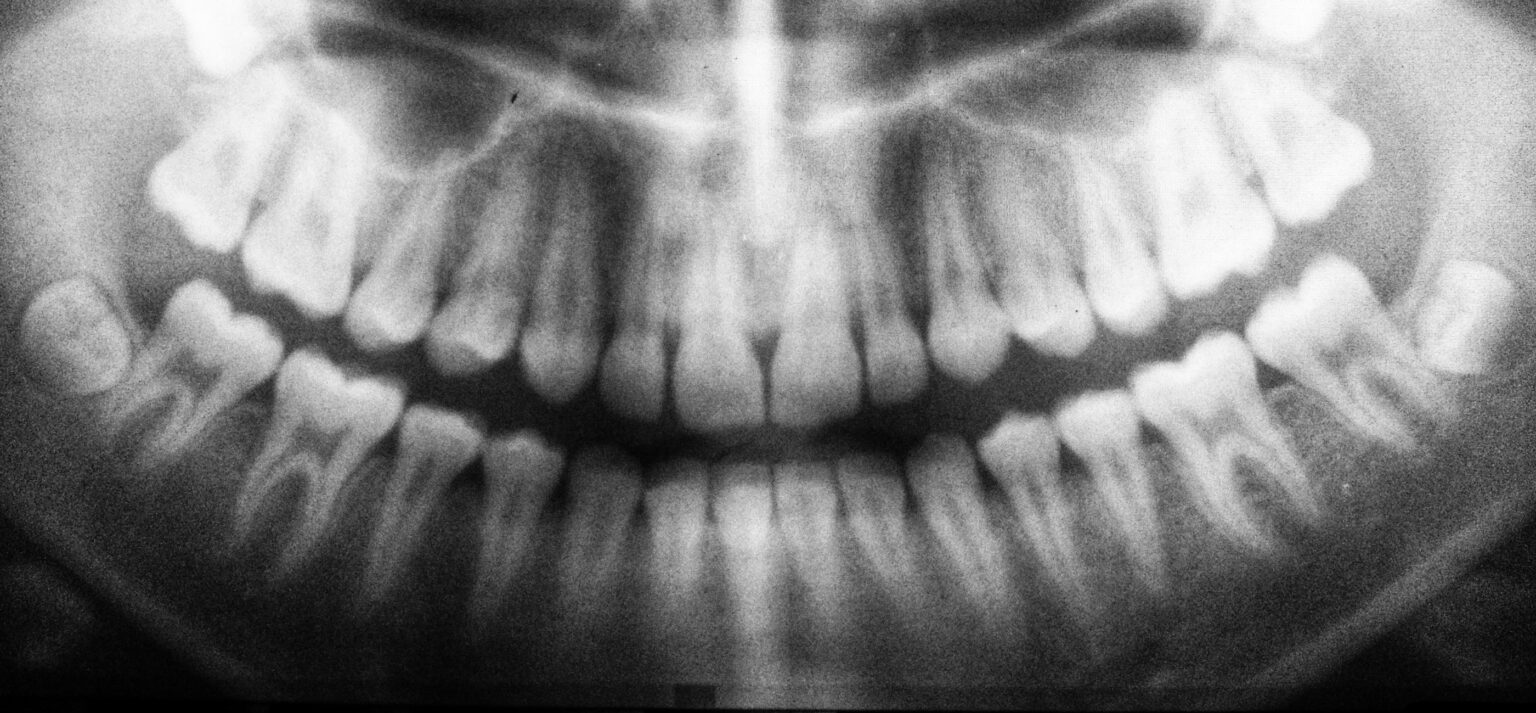
Patients ask this question all the time, often with a note of frustration: if the back teeth are coming in and the front teeth look tighter than they used to, isn’t it obvious that one caused the other? It sounds logical. Wisdom teeth arrive late, they often do not have enough room, and crowding feels like a space problem. From the patient’s point of view, the story practically tells itself.
The reality is more complicated. Wisdom Teeth Removal can be the right decision for many people, but it is usually not a reliable fix for existing crowding, and it is not a Wisdom Teeth Removal guaranteed way to prevent future crowding either. That does not mean wisdom teeth are irrelevant. It means their role is smaller, and more indirect, than most people assume.
A good answer depends on age, bite pattern, whether orthodontic treatment has already happened, the position of the wisdom teeth on X-rays, gum health, and the simple fact that teeth continue to drift throughout life. If you are wondering whether removing wisdom teeth will straighten your smile or protect the alignment you already have, it helps to separate myth from what dentists and orthodontists actually see in practice.
Why the idea makes sense in the first place
The confusion is understandable because wisdom teeth, also called third molars, often erupt during the late teens or early twenties, around the same time many people first notice lower front teeth becoming more irregular. Timing can be persuasive. When two things happen close together, we tend to link them.
I have heard the same version of the story from dozens of patients. Someone had braces as a teenager. Their teeth looked excellent when the braces came off. A few years later, they notice one lower incisor has twisted or overlapped slightly. Then a dentist points out impacted or partially erupted wisdom teeth. The natural conclusion is that the wisdom teeth pushed everything forward.
That image of back teeth acting like a battering ram is appealing, but teeth do not work quite that way. The forces involved in tooth movement are not simply a straight shove from the very back of the jaw to the front. If they were, orthodontics would be much easier and much less precise than it is. Tooth position is influenced by bone remodeling, pressure from lips and tongue, natural age-related changes, bite forces, retention habits after braces, and the amount of room already available in the dental arch.
Wisdom teeth can create local problems, especially around the second molars next to them. They can trap food, inflame the gums, contribute to decay, and in some cases damage nearby teeth. But when people ask whether they cause front tooth crowding, the best evidence suggests they are not the main driver.
What research and clinical experience generally show
For years, orthodontists and oral surgeons have debated the crowding question. It would be convenient if the answer were a clean yes or no, but biology rarely cooperates like that. What studies have shown, in broad terms, is that lower front teeth often become more crowded over time whether wisdom teeth are present, absent, impacted, erupted, or removed.
That point matters. If crowding develops in people who never had wisdom teeth form, or had them removed early, then wisdom teeth cannot be the sole cause. And that is exactly what long-term follow-up has shown in many patient groups. Teeth are not frozen in place once adolescence ends. The lower arch, in particular, has a tendency to tighten slightly with age. The changes are often modest, but they are common.
Clinical experience backs this up. Some patients keep all four wisdom teeth and maintain decent alignment. Others have wisdom teeth removed and still see some relapse after braces. A smaller group does seem to feel a clear change at the same time wisdom teeth erupt, but even there, cause and effect are hard to prove because other changes are happening at the same stage of life.
This is why most orthodontists do not recommend Wisdom Teeth Removal solely as an anti-crowding strategy. If the goal is to keep lower front teeth perfectly straight, retainers do far more heavy lifting than removal of third molars.
The crowding that patients notice most
When people talk about crowding, they usually mean one of two things. The first is mild overlap of the lower front teeth. The second is a sense that the smile looks less even than it did a few years ago. Those changes can feel dramatic to the person living with them, even when a clinician would describe them as small.
Lower incisor crowding is especially common because the front segment of the lower arch is narrow and vulnerable to subtle shifts. Even a millimeter or two of change can make one tooth rotate or edge forward. That may not sound like much, but in the mirror it can stand out every day.
Several factors can contribute. Retainers are a major one. Many adults assume that once braces are off and the teeth are settled, retention becomes optional. In reality, teeth have memory. The fibers around them and the balance of soft tissue forces keep tugging over time. A patient who stops wearing retainers often sees changes sooner than expected. Wisdom teeth may be present in the background, but they are rarely the whole story.
The bite also matters. If the upper and lower teeth contact in a way that nudges certain teeth out of position, that pattern can slowly reshape alignment. Wisdom Teeth Removal Gum recession or bone loss can add another layer, especially in older adults. Once support around a tooth changes, that tooth can migrate.
So, can removing wisdom teeth ever help?
Yes, but usually not in the way patients imagine.
If a wisdom tooth is partially erupted, trapped under the gum, angled into the second molar, or associated with repeated inflammation, removing it can absolutely improve oral health and comfort. It may reduce infection risk, make hygiene easier, protect the adjacent molar, and eliminate pressure or soreness in the back of the mouth.
If the question is whether removal will straighten already crowded front teeth, the answer is generally no. Extracting wisdom teeth does not create a magical release valve that lets the front teeth spread back into place. Once crowding exists, correction typically requires orthodontic treatment such as aligners or braces, sometimes very minor, sometimes more involved.
If the question is whether removal will prevent future crowding, the answer is still cautious. It may remove one possible contributing factor in selected cases, especially where third molars are poorly positioned and arch space is limited, but it does not guarantee stable alignment. Stability depends much more on retention and overall bite control.
That distinction is worth repeating because it saves people from undergoing a surgical procedure for the wrong reason. Wisdom Teeth Removal can be beneficial. It just should be recommended for sound dental reasons, not sold as a simple crowding cure.
When dentists and orthodontists actually recommend removal
Third molars are often removed because they are likely to cause disease or because they are already doing so. This is where the conversation becomes practical. A panoramic X-ray, symptoms, and a close exam tell more than guesswork ever will.
The most common reasons include the following:
- Recurrent gum infection around a partially erupted wisdom tooth
- Decay in the wisdom tooth or the second molar next to it
- A position that makes proper cleaning nearly impossible
- Cyst formation or other pathology, though that is less common
- Pressure, pain, or damage affecting the neighboring tooth
Notice what is missing from that list: “slight lower front crowding by itself.” That does not mean crowding is ignored. It means clinicians usually treat it as an orthodontic issue, not as a third molar issue.
There are edge cases, of course. If a patient is finishing orthodontic treatment and the wisdom teeth are clearly impacted in a way that threatens the health of the second molars, the orthodontist and oral surgeon may coordinate timing. Removing them may support overall treatment planning. But even then, the point is broader oral health, not simply protecting the front teeth from drifting.
Age changes the conversation
A 16-year-old with developing wisdom teeth is not the same patient as a 28-year-old with recurrent swelling, or a 40-year-old whose third molars have been quiet for years.
In teenagers, the roots of the wisdom teeth are often not fully formed yet, which can make removal easier in some cases. At that stage, an orthodontist may already be tracking space, eruption patterns, and retention after braces. Parents often ask whether early removal will preserve their child’s straight smile. The answer remains careful: maybe it helps in limited ways for selected anatomy, but it is not a substitute for retainers or long-term follow-up.
In the early twenties, wisdom teeth often declare themselves more clearly. Some erupt normally and become functional. Others stay impacted or partially erupt, creating a gum flap that collects bacteria. This is a common age for evaluation because the future pattern becomes easier to predict.
By the thirties and beyond, the decision shifts again. If wisdom teeth are fully erupted, cleanable, cavity-free, and not harming adjacent teeth, some clinicians are comfortable monitoring them. If they are diseased, painful, or threatening the second molars, removal still makes sense, though healing can feel a bit slower than it does for younger patients.
Crowding in adults can continue with or without third molars. That is one reason a blanket rule for everyone has never held up very well.
The role of retainers after braces
If there is one practical point patients should take seriously, it is this: retainers matter more than most people think.
After orthodontic treatment, many people assume the hard part is over forever. But the body keeps remodeling bone and connective tissue. Teeth want to shift toward positions that are more biologically comfortable for them, not necessarily toward the exact alignment created by orthodontics. Retainers counter that tendency.
I have seen beautifully treated cases stay stable for years because the patient wore a retainer consistently. I have also seen mild relapse appear within a surprisingly short period when retainers were abandoned. In those cases, wisdom teeth often get blamed because they are an easy suspect, but the retainer history usually tells the clearer story.
For former orthodontic patients worried about crowding, the first question should not be “Should I get my wisdom teeth out?” It should be “What is happening with my retainer, and what does my orthodontist think is driving the change?”
That question often leads to a more useful plan, whether that means replacing a worn retainer, restarting nighttime wear, or considering minor alignment refinement.
What wisdom teeth can do to nearby teeth
It helps to be fair to third molars. They are not innocent in every situation. They can create very real damage, just not always the damage people picture.
An impacted lower wisdom tooth angled toward the second molar can trap plaque in a place that is difficult to clean. Over time, the second molar may develop a cavity on the back surface, or the gum and bone support around it can suffer. Patients are often surprised by this because the painful tooth ends up not being the wisdom tooth at all, but the healthy tooth in front of it that has been quietly compromised.
Partially erupted wisdom teeth can also trigger repeated pericoronitis, an infection of the gum tissue overlying the tooth. The area becomes tender, swollen, and unpleasant to chew on. Sometimes there is a bad taste or difficulty opening the mouth fully. Removing the problem tooth in these cases can make a substantial difference in comfort and hygiene.
So while Wisdom Teeth Removal may not be the answer to crowding, it can still be an excellent preventive or therapeutic procedure when the back of the mouth is becoming a problem zone.
If you already have crowding, what actually helps?
Once front teeth have shifted, the path forward usually involves orthodontic correction, not extraction of third molars alone. The good news is that mild crowding often responds well to relatively conservative treatment. Short-course aligners, limited braces, or a retainer-based correction plan may be enough depending on the case.
The right approach depends on how much movement is needed, the condition of the gums, your bite, and whether the crowding is stable or still changing. If wisdom teeth are also unhealthy or poorly positioned, a dentist may recommend addressing both issues, but as separate parts of the plan.
A sensible evaluation usually includes these questions:
- How much crowding is actually present, measured rather than guessed
- Whether retainers were used consistently after prior orthodontic treatment
- What the wisdom teeth look like on X-rays and on clinical exam
- Whether the bite is contributing to tooth movement
- Whether gum or bone support has changed over time
This kind of assessment prevents over-treatment. It also prevents the opposite mistake, which is ignoring wisdom teeth that are quietly damaging the molars next to them while everyone focuses on the cosmetic issue at the front.
A few common scenarios
Consider the patient in college whose lower incisors look more crowded than they did after braces, and whose wisdom teeth are impacted but painless. If the second molars are healthy, there is no decay, and hygiene is manageable, removal might still be discussed, but it should not be presented as a guaranteed way to reverse or stop the crowding. Retention habits and orthodontic follow-up deserve equal or greater attention.
Now consider a 24-year-old with a partially erupted lower wisdom tooth that flares up every few months. Food catches there, the gum becomes swollen, and the tooth in front is hard to clean. In that case, removal is often straightforward to justify because the problem is active and local. If there is also mild crowding, that is incidental, not the primary reason.
A third example is the 38-year-old whose wisdom teeth erupted fully years ago and have remained symptom-free. If they are functional, clean, and not causing disease, routine removal may not offer much benefit. Slight front crowding in that patient is far more likely tied to long-term tooth drift, wear, or retention history than to wisdom teeth that have been sitting quietly in place.
These distinctions matter because they keep treatment grounded in actual risk instead of assumption.
The short answer most patients need
If your front teeth are already crowded, taking out wisdom teeth will probably not straighten them. If your goal is to prevent any future movement, wisdom tooth extraction alone is not a dependable insurance policy. But if your wisdom teeth are impacted, infected, decayed, damaging the molars next to them, or impossible to clean well, removal may be the best choice for your oral health.
That is why the crowding question should never be asked in isolation. The better question is whether the wisdom teeth are healthy, useful, and maintainable, or whether they are creating a problem that is likely to worsen.
What to ask at your appointment
A productive consultation is usually less about getting a yes or no answer and more about understanding the reason behind the recommendation. Ask your dentist or orthodontist to show you the X-ray, explain the position of each wisdom tooth, and describe what they expect to happen if the teeth are left alone. If crowding is your main concern, ask whether there is evidence that your wisdom teeth are actually contributing, or whether retention, bite, and age-related change are more likely explanations.
That conversation often clarifies a lot. Sometimes the take-home message is that the wisdom teeth should come out, but not because of crowding. Other times the message is that they can be watched safely while you focus on orthodontic retention or minor alignment correction.
A good treatment plan is specific. It should explain what problem is being treated, what benefit is expected, and what limitation remains. For wisdom teeth, that level of clarity matters, because the same procedure can be either very sensible or poorly justified depending on the reason for doing it.
Where this leaves most people
For most patients, wisdom teeth are one piece of a bigger dental picture, not the master switch controlling alignment. Crowding is usually multifactorial. It can reflect growth, aging, retention habits, bite mechanics, and the natural tendency of teeth to shift over time. Wisdom teeth may overlap with that story, but they rarely explain it completely.
So, can Wisdom Teeth Removal help with crowding? Not in the simple, direct way many people hope. It can help protect oral health when third molars are diseased or risky. It can sometimes remove a possible contributing factor in a crowded arch. But if your goal is straighter front teeth, the more reliable solutions are orthodontic evaluation, proper retention, and a realistic understanding that tooth position changes throughout life.
That answer is less tidy than the common myth, but it is more useful, and it leads to better decisions.
Oxnard Dentistry
1730 E Gonzales Rd, Oxnard, CA 93036, United States
+1 805-307-8731
FAQ About Wisdom Teeth Removal
How painful is it to remove a wisdom tooth?
Local anesthetic numbs the area during extraction. Pressure may still be noticeable; tell the dentist if you feel pain. Soreness and swelling afterward are common. Follow the pain-control instructions provided for your situation.
How long is recovery for wisdom teeth extractions?
Recovery varies with the tooth position and complexity of the extraction. Some people resume routine activities quickly, while others need several days of rest. Soreness, swelling and jaw stiffness can last up to two weeks. Follow your clinician's aftercare and activity advice.
What are the risks of wisdom tooth removal?
Possible complications include dry socket, infection, persistent bleeding and changes in sensation from nearby nerve injury. Your dentist or oral surgeon should explain your individual risks before treatment. Seek prompt dental advice for bleeding that will not stop, fever, or severe or worsening pain and swelling.