28 September 2026
Can Wisdom Teeth Removal in Oxnard CA Help With Repeated Gum Problems?
Presented by @stephenajul121
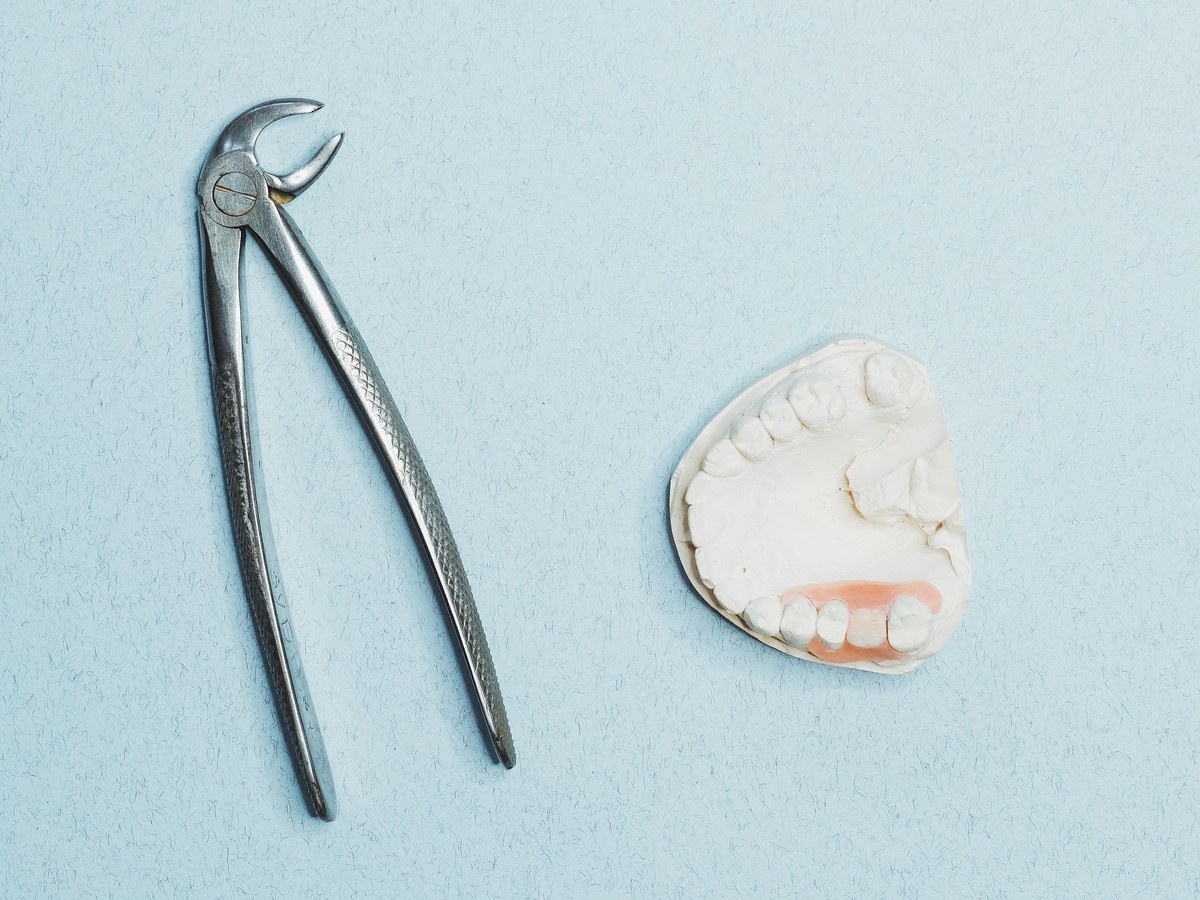
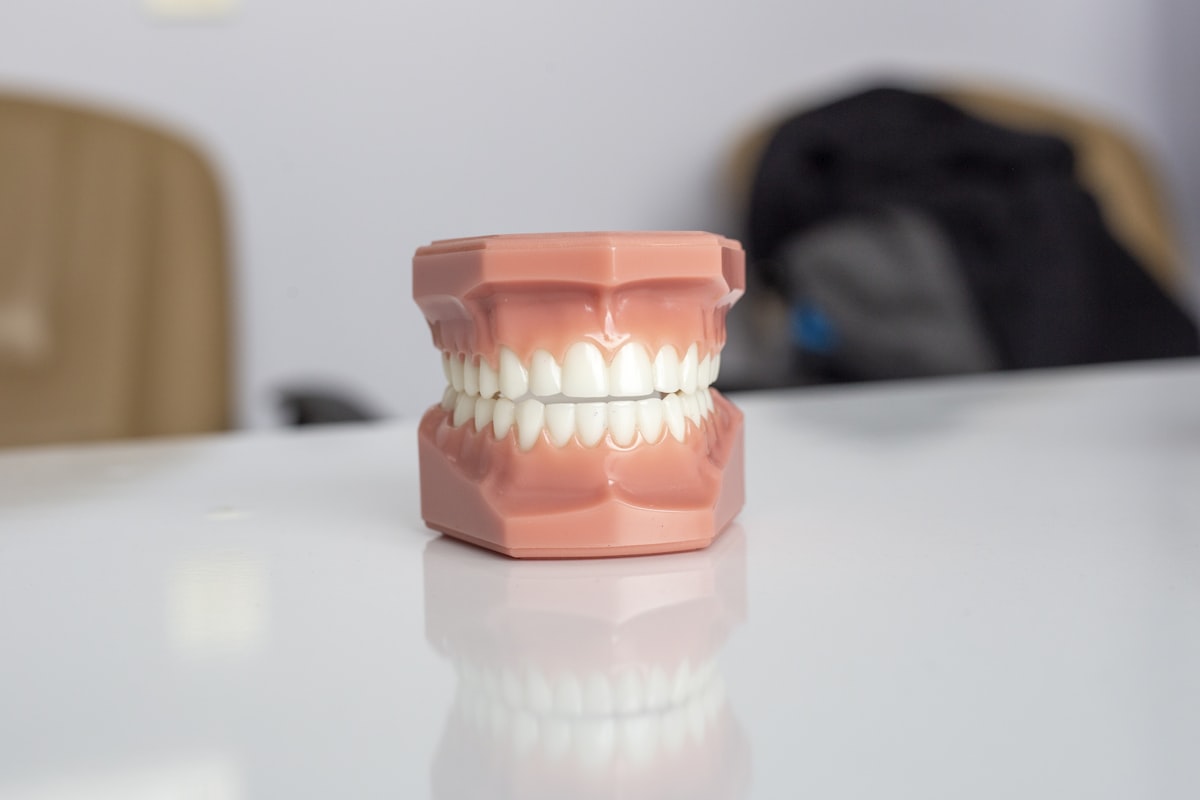
Repeated gum irritation around the back of the mouth is one of those problems people often try to manage for months, sometimes years, before they get a clear answer. The pattern is familiar in dental offices. A patient notices soreness behind the last molar, a flap of gum that feels swollen, tenderness when chewing, bad breath that seems to return even after brushing, or a strange taste that comes and goes. The area settles down for a while, then flares up again.
When that cycle keeps repeating, wisdom teeth are often part of the story.
The short answer is yes, wisdom teeth removal https://zanderqrvi992.halcyonledger.com/posts/wisdom-teeth-removal-oxnard-ca-safe-care-for-nervous-patients can help with repeated gum problems, especially when the gum inflammation is tied to partially erupted or poorly positioned third molars. That said, it is not automatic. Gum trouble can come from plaque buildup, clenching, hormonal changes, periodontal disease, or anatomy unrelated to wisdom teeth. The key is figuring out whether the wisdom teeth are acting like a trap for bacteria and food, or whether the gums are reacting to something else entirely.
For patients asking about Wisdom Teeth Removal Oxnard CA, the most useful approach is practical rather than theoretical. Instead of asking whether wisdom teeth are “bad,” the better question is whether those teeth are making the gums harder to keep healthy.
Why the back of the mouth becomes a problem area
The tissue around wisdom teeth is uniquely vulnerable. Third molars sit at the very end of the dental arch, a spot that is harder to see, harder to reach with a toothbrush, and more likely to collect debris. If a wisdom tooth erupts only partway, the gum can remain draped over part of the tooth. Dentists often call that flap an operculum. It creates a pocket where bacteria, food particles, and inflammation can build.
That is when a patient starts describing a very specific kind of discomfort. The gums feel puffy near one corner of the jaw. The area hurts when the upper tooth bites down on it. The soreness may radiate toward the ear or throat. Brushing helps a little, but not enough. Sometimes the problem escalates into pericoronitis, an infection and inflammation around a partially erupted tooth.
Pericoronitis is one of the strongest examples of a gum problem that wisdom teeth removal can solve. If the anatomy keeps inviting reinfection, repeated cleanings and short-term rinses may calm things down without changing the underlying cause.
I have seen many cases where patients believed they had “sensitive gums” when they actually had one chronically irritated wisdom tooth site. Once that tooth was removed and the area healed, the repeated swelling stopped. That does not mean every sore gum requires surgery, but it does show how often the problem is structural.
The link between wisdom teeth and chronic inflammation
Healthy gums depend on a simple principle: they need to be cleanable. Once a tooth position creates a space that the patient cannot maintain well at home, inflammation becomes more likely.
Wisdom teeth can create this problem in several ways:
- Partial eruption leaves a gum flap that traps bacteria.
- Angled eruption presses into the second molar and crowds the gumline.
- Deep pockets form behind the second molar, where brushing and flossing become unreliable.
- Recurrent inflammation changes the tissue, making it more reactive and tender.
- Food impaction causes soreness, odor, and repeated swelling after meals.
These are not abstract concerns. A gum pocket around a wisdom tooth can remain mildly inflamed for a long time before it becomes acutely painful. Some people only notice occasional tenderness. Others report a pattern every few months, especially during stressful periods, when immune defenses dip, or when they miss part of their oral hygiene routine.
The chronic nature of these cases matters. Repeated low-grade inflammation is not just annoying. It can affect the nearby second molar, which is usually far more valuable for long-term chewing function than the wisdom tooth behind it. If plaque and bacteria are allowed to sit between the second molar and a poorly positioned wisdom tooth, the result can be decay, gum attachment loss, or bone loss that persists even after the wisdom tooth comes out.
That is why dentists and oral surgeons often recommend timely evaluation instead of waiting for a “really bad” episode.
When removal is likely to help
Not every wisdom tooth needs to be removed. Some erupt normally, line up well, and can be cleaned without difficulty. Those teeth may remain for life with no meaningful gum issues. The challenge is that many wisdom teeth do not erupt under ideal conditions.
Removal tends to help when the tooth is only partly through the gum, angled toward the neighboring molar, or repeatedly associated with swelling and pain. It can also help when the gum around the tooth bleeds easily despite reasonable home care, or when the area develops a pocket that stays deeper than the rest of the mouth.
The gum problems most clearly improved by removal include recurrent pericoronitis, localized swelling at the back of the jaw, repeated food trapping around the wisdom tooth, and irritation where the opposing tooth bites onto inflamed tissue. In those cases, the problem is less about weak gums and more about an environment that is almost designed to stay inflamed.
One detail patients often overlook is bad breath. When a gum flap covers part of a wisdom tooth, bacteria and debris can collect under it and produce a persistent odor or unpleasant taste. That symptom can linger even in people who brush well and use mouthwash regularly. If the source is hidden under inflamed tissue, surface-level cleaning often cannot fix it.
When removal may not be the answer
It is equally important to say where removal may not solve the problem. If the gum inflammation is generalized throughout the mouth, wisdom teeth may only be a minor factor or not a factor at all. Bleeding gums around many teeth usually points to plaque-induced gingivitis, periodontitis, dry mouth, medication side effects, or inconsistent home care.
Sometimes a patient has soreness near the wisdom tooth area, but the real issue is clenching, cheek biting, an ulcer, or inflammation around the second molar. A thorough exam matters because symptoms can overlap. The back of the mouth is a tight space. Pain does not always identify the exact source.
There are also patients whose wisdom teeth are fully erupted, straight, and cleanable, yet they still develop gum disease because of smoking, diabetes, or long-term plaque accumulation. In those cases, removing the wisdom teeth may do little unless the broader periodontal problem is addressed.
This is where good judgment matters more than a one-size-fits-all recommendation. Surgery should solve a clear problem, reduce future risk, or protect nearby teeth. It should not be presented as a cure for every gum complaint.
What a proper evaluation looks for
A careful exam for repeated gum problems around wisdom teeth usually involves more than a quick glance. The provider needs to assess how much of the tooth has erupted, whether there is a gum flap, how deep the pocketing is, whether the opposing tooth is traumatizing the tissue, and whether the second molar next to it is already being affected. X-rays help show the angle of eruption, the amount of space available, and whether the tooth is pressing against adjacent structures.
For patients exploring Wisdom Teeth Removal Oxnard CA, this evaluation is where the real value lies. The decision should come from the anatomy and the history of symptoms, not from age alone and not from fear alone.
A twenty-year-old with repeated swelling around a partially erupted lower wisdom tooth is a very different case from a thirty-eight-year-old whose wisdom teeth erupted normally and whose gum bleeding is present throughout the mouth. They both may ask about removal, but the reasoning is not the same.
Why lower wisdom teeth cause trouble more often
Upper and lower wisdom teeth can both contribute to gum trouble, but lower third molars are more often the repeat offenders. They tend to erupt later, have less available space, and are more likely to remain partly trapped under gum tissue. Gravity and anatomy also encourage food stagnation at the back of the lower jaw. When the upper wisdom tooth bites into that swollen flap, symptoms can escalate quickly.
That is why many patients say their gum problem seems to “come out of nowhere.” In reality, the area has usually been vulnerable for a while. The flare-up happens when enough bacteria and irritation accumulate to push it past the tipping point.
Clinically, the tissue can look red, boggy, and tender. Patients may struggle to open wide. Some notice swollen lymph nodes or discomfort when swallowing. If the infection becomes significant, treatment may involve irrigation, local cleaning, and sometimes medication before removal is scheduled. Acute infections are best handled carefully, especially if swelling limits access or comfort.
What happens after the tooth is removed
If the wisdom tooth is the true source of repeated gum inflammation, removal often changes the pattern decisively. Once the tooth and the overlying problematic tissue are gone, the pocketing area is eliminated, food entrapment decreases, and the patient can clean the region far more effectively after healing.
The improvement is not always dramatic on day one, because surgery itself causes short-term soreness and swelling. But over the following weeks, many patients notice something simple and meaningful: the back of the mouth stops acting like a chronic trouble spot. No more periodic swelling. No more strange taste from that corner. No more feeling that one area is impossible to keep clean.
Healing outcomes depend on the position of the tooth, the condition of the gums beforehand, and how much irritation the neighboring second molar has endured. If the wisdom tooth sat tightly against the second molar for years, the gum behind that second molar may need time to settle. In some cases, the tissue improves substantially once the pressure and plaque trap are gone. In more advanced cases, the area may still require periodontal monitoring.
Timing matters more than many people realize
There is a practical reason dentists often discuss wisdom teeth before they become a major problem. Repeated gum infections can damage more than comfort. They can compromise the second molar and create deeper periodontal defects that are harder to reverse later.
Younger patients often heal more predictably, though age alone should not drive the decision. What matters most is whether the area is stable or whether it keeps breaking down. A wisdom tooth that has caused one mild flare may be watched carefully. A wisdom tooth that has caused three or four episodes of swelling, tenderness, and difficulty cleaning is telling you something.
A common misconception is that if symptoms disappear between episodes, the issue has resolved. Usually it has not. It has simply become quiet again until the same conditions return.
Signs the gum problem may be tied to wisdom teeth
Some patterns strongly suggest that the wisdom teeth are involved rather than the gums in general.
- The soreness is always at the very back of the mouth.
- A flap of gum covers part of the tooth.
- Food gets stuck there regularly, even with careful brushing.
- The area swells, settles down, then returns weeks or months later.
- The rest of the gums look relatively healthy.
These clues are not a substitute for an exam, but they often point the conversation in the right direction.
What patients in Oxnard often ask
Patients usually do not ask for surgery first. They ask whether there is any way to stop the recurring problem. That is the right question.
If the gum issue is mild and the tooth is close to fully erupting in a functional position, a dentist may recommend close observation, improved irrigation, more deliberate brushing at the gumline, and periodic evaluation. Sometimes the tooth finishes erupting and becomes manageable.
If the tissue keeps getting infected, if the tooth is impacted or angled poorly, or if the second molar is at risk, removal often becomes the more predictable long-term solution.
For people considering Wisdom Teeth Removal Oxnard CA, these are sensible questions to bring to the appointment:
- Is the gum problem coming from a partially erupted wisdom tooth or from broader gum disease?
- Is the second molar next to it being damaged?
- Can this area realistically be kept clean long term?
- If we wait, what is the likely downside?
- Would removal reduce future inflammation or just treat a one-time event?
Clear answers to those questions usually make the decision far less confusing.
The role of home care, and its limits
Good home care matters, but there is a point where technique cannot overcome anatomy. Warm saltwater rinses, targeted brushing, flossing, and water irrigation can help reduce irritation around a difficult wisdom tooth. During mild flare-ups, these measures may provide temporary relief. Professional cleanings can also help keep the area more stable.
Still, when the problem is a repeated bacterial trap beneath a gum flap or around an inaccessible angle, home care becomes maintenance rather than a cure. Many diligent patients feel frustrated by this. They assume they must be doing something wrong because the swelling returns. Often, the issue is not effort. It is access.
That distinction is worth emphasizing. Dentistry works best when recommendations respect the reality of what a patient can maintain day after day. A tooth that requires perfect cleaning in a blind corner of the mouth to avoid reinfection is not always a good long-term bet.
Risks, trade-offs, and reasonable expectations
Any surgery involves trade-offs, and wisdom tooth removal is no exception. Temporary swelling, soreness, limited opening, dietary adjustments, and several days of recovery are common. Depending on the tooth position, there can be additional considerations related to the sinus in the upper jaw or the nerve in the lower jaw. These are part of why imaging and careful planning matter.
On the other hand, repeated gum infections also carry costs. They disrupt eating and sleep, create cycles of antibiotics or urgent visits, and may threaten the neighboring molar. Sometimes the least disruptive path over the next five years is a brief surgical recovery now.
The best decisions tend to come from balancing present symptoms, x-ray findings, age, medical history, and the condition of the surrounding teeth. There is no prize for keeping a problematic wisdom tooth if it keeps inflaming the gums and endangering the tooth in front of it.
A practical way to think about it
If a wisdom tooth is fully erupted, easy to clean, and not associated with pockets or repeat inflammation, keeping it may be perfectly reasonable. If the tooth is partly trapped, hard to clean, and repeatedly linked to swollen gums, removal often solves a problem that oral hygiene alone cannot.
That is the heart of the issue. Repeated gum problems are rarely just about the gums. Very often, they are about the shape of the space where the gums are trying to stay healthy.
When patients seek advice about Wisdom Teeth Removal Oxnard CA because one area of the mouth keeps flaring up, the most important step is not rushing to extraction or avoiding it. It is identifying whether the wisdom tooth has turned that corner of the mouth into a chronic plaque trap. If it has, removal can do more than stop pain. It can protect the gum tissue, improve daily comfort, and help preserve the health of the second molar beside it.
For many people, that is exactly what turns a recurring problem into a resolved one.
Oxnard Dentistry
1730 E Gonzales Rd
Oxnard, CA 93036, United States
Phone: +1 805-307-8731
FAQ About Wisdom Teeth Removal Oxnard CA
How much does it cost to get wisdom teeth removed in California?
Fees depend on tooth position, the number of extractions, imaging and anesthesia. Oxnard Dentistry can provide an individual estimate after examining your teeth. Ask for an itemized plan and confirm insurance benefits before scheduling.
Will insurance cover wisdom teeth removal?
Coverage and out-of-pocket costs vary by policy and the treatment required. Ask the dental office and your insurer to verify benefits, annual limits and any authorization requirements. A benefit estimate does not guarantee payment.
Is 30 too old to have wisdom teeth removed?
Age alone does not determine whether extraction is appropriate. A dentist evaluates symptoms, tooth position, oral health and medical history. Healthy, functional wisdom teeth may be monitored; teeth causing disease or other problems may need treatment.