23 November 2026
Veneers in Oxnard CA for Everyday Confidence
Presented by @stephenajul121
A confident smile rarely changes just one thing. It changes how people speak up in meetings, how they pose in family photos, how often they laugh without covering their mouth, and how relaxed they feel during ordinary conversations. That is why veneers remain one of the most requested cosmetic dental treatments for adults who want a polished, natural-looking improvement without years of treatment.
When patients ask about veneers in Oxnard CA, they usually are not chasing perfection. Most want something more practical. They want to fix the front tooth that always photographs darker than the others. They want to close a small gap that has bothered them since high school. They want to smooth edges worn down by years of grinding or coffee-fueled mornings. Often, they simply want their smile to look healthy, balanced, and like it belongs to them.
Veneers can do that well, but only when the treatment is planned carefully. The material matters. The bite matters. The shape matters even more than the shade in many cases. A veneer that is too white, too flat, or too bulky can look obvious from across the room. A well-made veneer tends to disappear into the face. People notice the person looks refreshed, not that dental work is present.
What veneers actually are
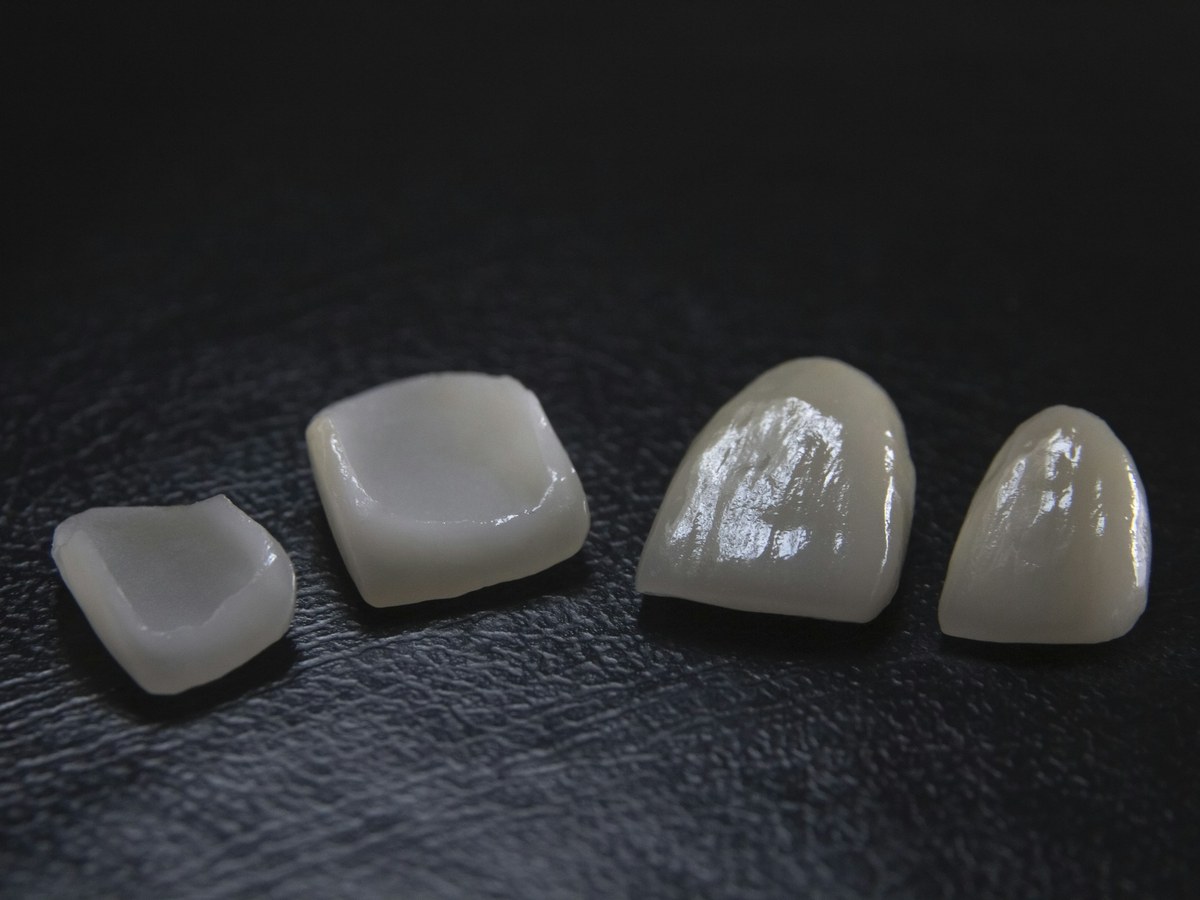
A veneer is a thin covering placed on the front surface of a tooth to improve its appearance. Most are made from porcelain, though composite veneers are another option in selected cases. Porcelain is generally favored for its strength, stain resistance, and ability to reflect light in a way that resembles natural enamel. That light behavior is one of the details patients may not notice consciously, but it makes a major difference in how believable the result looks.
Veneers are typically used on front teeth that show when someone smiles or talks. They can change color, shape, size, and minor alignment issues. They are not braces, and they are not a solution for every dental problem. Still, within the right limits, they are one of the most efficient ways to improve a smile.
A common misunderstanding is that veneers have to mean a full set of blinding white teeth. In reality, many good veneer cases involve only two, four, six, or eight teeth. The number depends on the smile line, the width of the smile, and how many teeth are visible when a person speaks and laughs. For some patients, two veneers on the upper front teeth make sense. For others, treating six to eight upper teeth creates the most balanced appearance. There is no single formula that works for everyone.
Why people choose veneers instead of other cosmetic treatments
Cosmetic dentistry is not one treatment. It is a set of tools. Whitening, bonding, orthodontics, crowns, enamel shaping, gum contouring, and veneers all have their place. Veneers stand out because they can solve several aesthetic concerns at once.
A tooth that is stained from internal discoloration may not respond predictably to whitening. A chipped edge can be repaired with bonding, but if the tooth also has shape issues and visible wear, a veneer may offer a more complete and durable improvement. A slightly rotated tooth can sometimes be straightened with aligners, but if the patient also wants to change color and shape, veneers may deliver the result faster.
The best treatment choice often comes down to priorities. If the goal is the most conservative approach possible, bonding or whitening may come first. If the goal is a Veneers Oxnard CA broad aesthetic upgrade with strong control over the final look, veneers often move to the front of the conversation.
That said, speed should never be the only reason to get veneers. Teeth should not be reshaped aggressively when a simpler treatment would do the job. Ethical cosmetic dentistry means resisting the temptation to overtreat. Good planning asks a basic question: what is the least invasive path that still delivers the smile the patient wants?
Who tends to be a good candidate
Not every attractive smile needs veneers, and not every patient is ready for them. The best candidates usually have healthy teeth and gums, realistic expectations, and cosmetic concerns that veneers can reasonably address.
Here are a few situations where veneers often make sense:
- Teeth with discoloration that does not respond well to whitening
- Small chips, worn edges, or uneven contours on front teeth
- Minor gaps or slight alignment issues that do not require full orthodontic treatment
- Teeth that appear too small, narrow, or mismatched in shape
- Older dental bonding that stains or breaks repeatedly
Candidates also need a stable foundation. If someone has active gum disease, large untreated cavities, or heavy grinding that is not controlled, those issues need attention first. Veneers sit on teeth, not in isolation. If the surrounding conditions are poor, even beautifully made veneers can fail.
One example comes up often. A patient may want veneers because the front teeth look short and rough. On closer evaluation, the real problem is night grinding. If veneers are placed without addressing that grinding, the edges can chip or the teeth underneath can become stressed. In a case like that, treatment may still include veneers, but only after the bite is evaluated and a night guard is part of the plan.
The value of local planning in Oxnard
Choosing veneers is not just about selecting a product. It is about selecting a clinician and team with a strong eye for proportion, facial harmony, and long-term function. In a community like Oxnard, where people want high-quality care without unnecessary flash, the most successful veneer cases tend to come from offices that spend time on planning and communication.
That local piece matters more than people expect. Lighting, photography, shade matching, and follow-up care all influence the result. So does understanding a patient’s lifestyle. Someone who spends weekends surfing, drinks coffee daily, and works in a public-facing role may have different priorities than someone who wants a subtle refresh before a wedding. Cosmetic dentistry works best when it reflects how a person actually lives.
Patients searching for Veneers Oxnard CA are often comparing before-and-after photos, prices, and online reviews. Those are useful, but they are not enough on their own. A polished photo does not reveal whether the bite feels comfortable six months later. It does not show whether the veneers were designed to suit the patient’s face at rest, not just in a posed smile. A consultation should answer those questions.
What the process usually looks like
The veneer process varies by office and by case, but the broad pattern is fairly consistent. It begins with a consultation and detailed exam. That appointment should include a discussion of goals, bite evaluation, and review of any habits that could affect longevity, such as clenching, nail biting, or frequent use of the front teeth to open packages. It is surprising how often those little habits matter.
Photos are often taken, and sometimes digital scans or impressions as well. These records help the dentist assess symmetry, smile arc, lip position, and how the upper teeth relate to the lower teeth during speech. If a patient says, “I want them to look natural, but better,” those records help translate that vague idea into specific design choices.
From there, treatment planning becomes highly individual. Some patients need whitening first so the surrounding natural teeth can be lightened before veneer shade is selected. Others may benefit from a short course of clear aligners to improve tooth position before veneers are placed. Sometimes gum contouring is recommended if the visible tooth lengths are uneven. The most polished veneer cases often involve this kind of sequencing rather than rushing straight to preparation.
Tooth preparation, when needed, is usually conservative, especially with modern materials. A small amount of enamel may be shaped to make room for the veneer and avoid a bulky appearance. Temporary veneers are sometimes placed while the final porcelain is being fabricated. Those temporaries are more than placeholders. They can act as a preview of length, shape, and speech. A patient may realize that one tooth edge feels a little long when saying certain words, and that feedback can be incorporated before the final restorations are bonded.
The bonding appointment is where the planning becomes visible. Shade, fit, contour, and bite are checked carefully. Small details count. A millimeter can change the look of a smile. The difference between a natural incisal edge and a heavy-looking one may seem minor on a model, but it is obvious in the mouth.
Natural-looking veneers depend on restraint
Some of the most successful veneer work is difficult for other people to detect. The smile looks cleaner, brighter, and more balanced, yet still believable. That usually comes from restraint, not exaggeration.
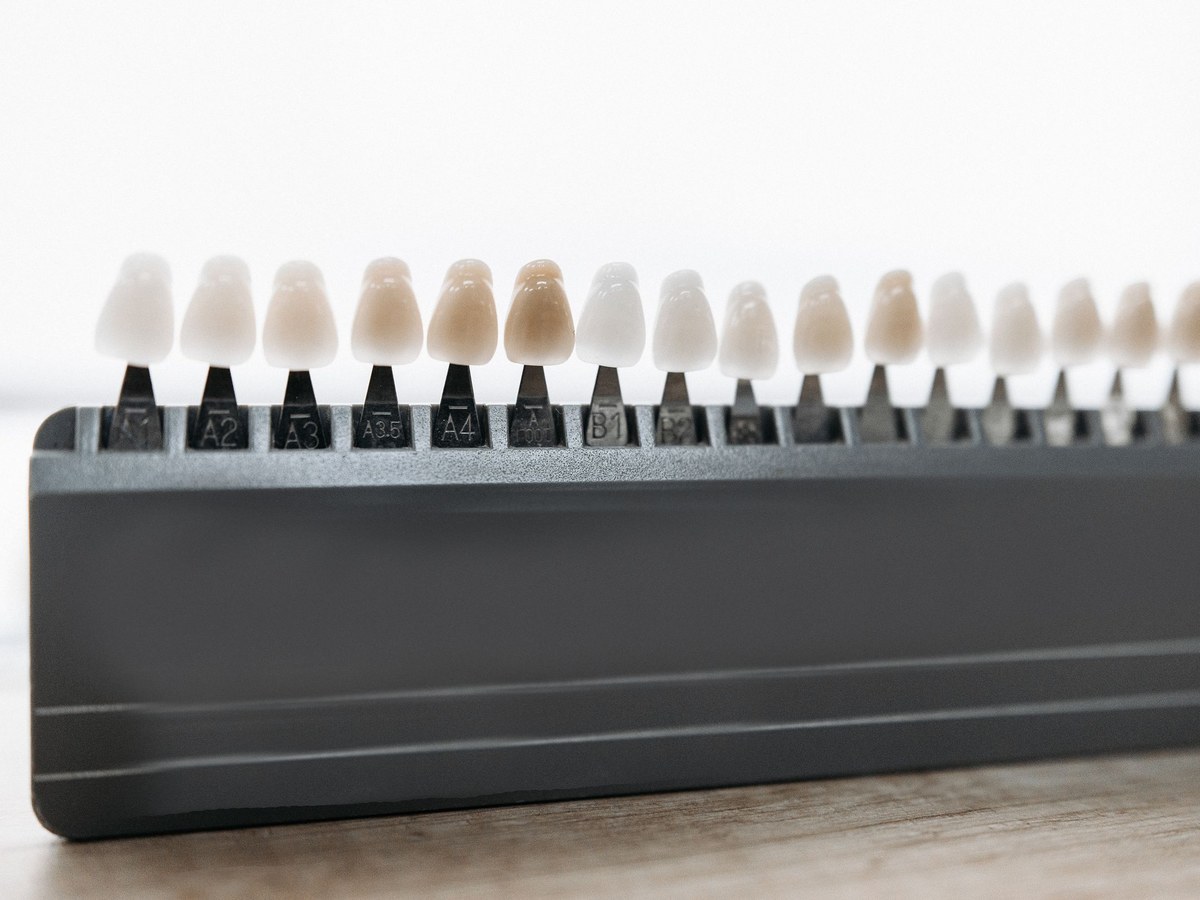
Color is one piece of that restraint. Bright white veneers can look attractive in photos, but the right shade depends on skin tone, age, eye color, and the shade of adjacent teeth. A very opaque, very white veneer can flatten the smile and Veneers Oxnard CA Oxnard Dentistry draw attention for the wrong reasons. Most adults look best with a shade that is fresh and vibrant without looking artificial.
Shape is just as important. Teeth are not identical piano keys. They have subtle differences in line angles, translucency, and edge character. Overly uniform veneers can look manufactured. Well-designed veneers preserve enough variation to feel like real teeth.
Gender, age, and facial structure also play a role, though not in a rigid way. A younger smile may show softer edges and more translucency. A more mature smile may call for a little more length support or different contouring. Strong features may support slightly bolder tooth shapes, while delicate features often pair better with softer contours. These are not rules. They are design considerations, and the best cosmetic dentists use them thoughtfully rather than mechanically.
Porcelain versus composite veneers
Patients often ask whether porcelain is always necessary. Not always, but often. The answer depends on budget, goals, and the condition of the teeth.
Composite veneers are usually completed more quickly and at a lower upfront cost. They can be a good option for modest shape corrections, small chips, or as a transitional treatment. They are easier to repair in some cases. The trade-off is that composite tends to stain more readily and may not hold its surface polish as long as porcelain.
Porcelain veneers generally cost more and usually require more planning, but they offer excellent esthetics and durability when properly placed and maintained. Their stain resistance alone is a major advantage for people who drink coffee, tea, or red wine regularly. Their surface also tends to keep its appearance well over time.
There is no universal winner. A patient in their twenties who wants a conservative, budget-aware improvement for two lateral incisors may do very well with composite. A patient replacing years of uneven bonding across six front teeth may be better served by porcelain from the start.
Cost, value, and what affects the price
Cost matters, and it should. Veneers are elective treatment for most people, so the financial decision deserves honest discussion. Prices vary based on material, the number of teeth treated, the complexity of the case, the experience of the dentist, and the quality of the laboratory work. There is a meaningful difference between a rushed cosmetic case and one built from careful records, detailed temporaries, and a skilled ceramist’s input.
The lowest quote is not always the best value. Veneers that look bulky, chip early, or irritate the gums can lead to expensive revisions. In dentistry, redoing cosmetic work often costs more than doing it carefully the first time. Patients are usually better served by asking what is included in the fee, how the case is planned, whether temporaries are used, and how bite adjustments and follow-up are handled.
It is also worth asking how many veneers are actually needed. Some smiles improve dramatically with four upper veneers instead of eight. Others need treatment to the canines or premolars to avoid a mismatch in color or width. Thoughtful case design can prevent both overspending and undertreatment.
Longevity is real, but not guaranteed
Porcelain veneers can last many years. In well-selected cases with healthy habits and regular maintenance, it is common for them to remain functional and attractive for a decade or longer. But longevity is not a warranty. It is a result of good case selection, accurate bonding, bite stability, and patient behavior.
Grinding is one of the biggest threats. So are biting directly into hard foods with the front teeth, chewing ice, or using teeth as tools. Gum health matters too. Veneers look best at a clean, stable gumline. If inflammation develops from poor brushing or skipped hygiene visits, even excellent cosmetic work can start to look compromised.
Simple habits help protect the investment:
- Wear a night guard if you clench or grind
- Brush with a non-abrasive toothpaste and floss daily
- Keep routine exams and professional cleanings on schedule
- Avoid using front teeth to tear packaging or bite very hard objects
- Let your dentist know promptly if a veneer feels rough, loose, or high in the bite
Most veneer problems are easier to solve when caught early. A slight bite issue can sometimes be adjusted before it causes chipping. Minor gum inflammation can often be reversed before it changes the look of the margins.
Common concerns patients raise before saying yes
One of the most frequent worries is whether veneers ruin natural teeth. That question deserves a straight answer. Veneers often require some degree of enamel modification, though modern approaches are typically conservative. Once teeth are prepared for veneers, that change is generally not reversible in the sense of returning the tooth to its untouched original state. This is why proper case selection matters so much. Veneers are a meaningful decision, not just a beauty treatment.
Another concern is sensitivity. Some patients notice temporary sensitivity during the process, especially after preparation and while wearing temporaries. In many cases, that settles once the final veneers are bonded. Persistent sensitivity is less common, but it should be discussed before treatment begins, especially if a patient already has sensitive teeth.
People also ask whether veneers feel fake. If they are overbuilt, they can. If they are designed and bonded well, they should feel smooth and comfortable, with contours that support normal speech and lip movement. The tongue is an excellent judge of dental work. Patients often adapt quickly when the fit is right.
Speech changes worry some patients, particularly if length is being added to the front teeth. That concern is legitimate. Certain sounds, especially “f” and “v,” can feel different at first. This is one reason temporaries are useful. They allow real-world testing before the final restorations are placed.
Veneers are cosmetic, but the impact is practical
It is easy to talk about veneers only in aesthetic terms, but the real impact often shows up in ordinary life. A teacher who stops turning sideways when speaking to parents. A salesperson who smiles naturally in client meetings. A retiree who finally replaces discolored bonding from decades ago and feels less self-conscious at social events. These are not dramatic transformations for the camera. They are steady, practical improvements in ease and confidence.
That is the part many people underestimate. Everyday confidence is rarely loud. It looks like speaking without hesitation, smiling without strategy, and forgetting to be self-conscious. When veneers are done well, the treatment itself fades into the background and the patient comes forward.
For those exploring Veneers Oxnard CA, that should be the benchmark. Not whether the result looks expensive, but whether it looks right on your face, suits your life, and can be maintained comfortably over time. The best veneer cases do not chase a trend. They restore balance, preserve function, and give patients a smile that feels like their own, only easier to share.
Oxnard Dentistry
1730 E Gonzales Rd, Oxnard, CA 93036, United States
+1 805-307-8731
FAQ About Veneers Oxnard CA
How long do porcelain veneers last?
Porcelain veneers can last for many years, but they can chip, loosen, or wear over time. Their lifespan depends on factors such as your bite, whether you grind your teeth, and daily care. Regular dental visits let your dentist check their condition.
Are dental veneers permanent?
Traditional veneers often require removing a small amount of enamel, so that change to the tooth is generally irreversible. Veneers can still need repair or replacement. Ask your dentist how much preparation your teeth would require.
How much do veneers cost in Oxnard?
Cost depends on the material, how many teeth you want treated, and whether you need other dental work first. Ask for a written estimate that explains the price per tooth and what is included.