28 September 2026
Wisdom Teeth Removal Oxnard CA: Preparing Mentally and Physically
Presented by @stephenajul121
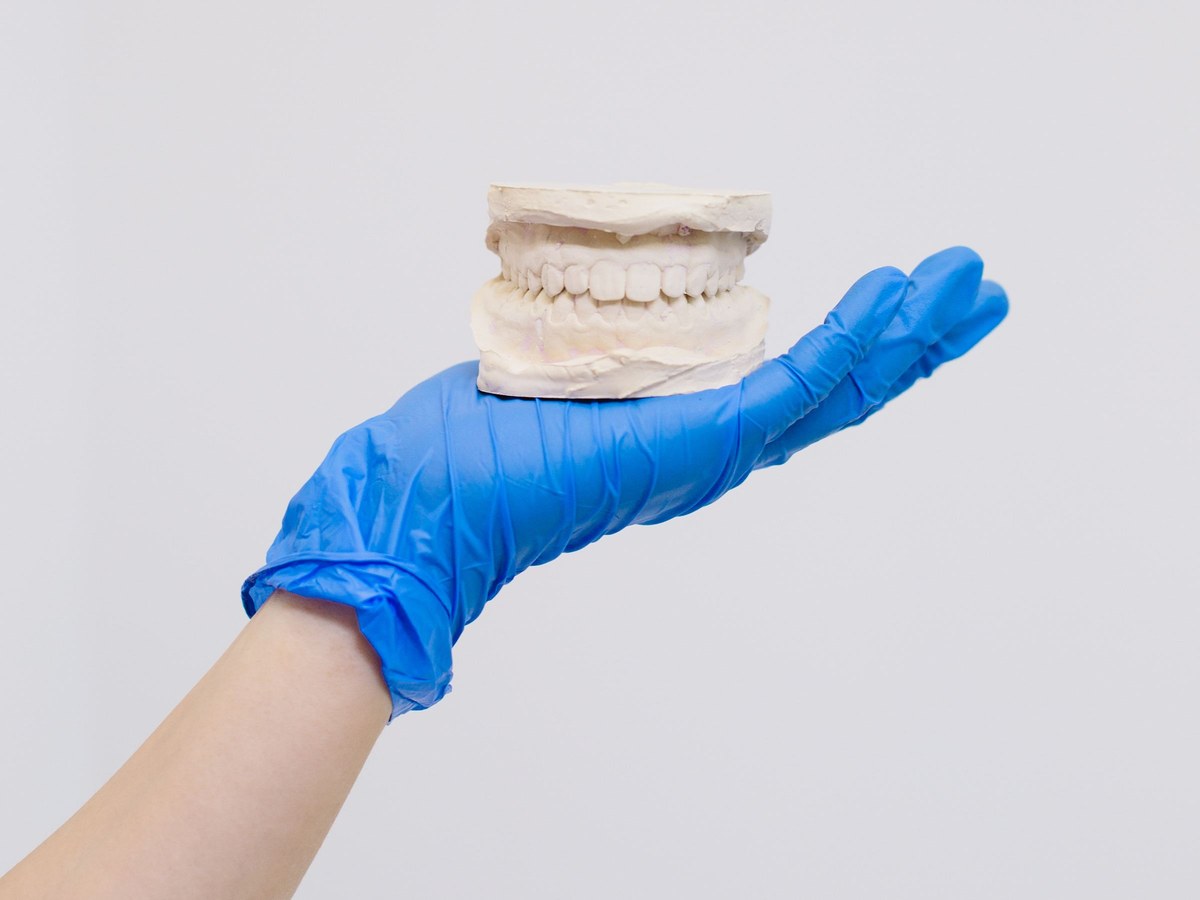
Few dental procedures carry as much emotional weight as wisdom teeth removal. Even patients who handle cleanings, fillings, and crowns without blinking can feel their nerves rise when an oral surgeon mentions impacted molars, sedation, or recovery time. That reaction is normal. The procedure itself is common, but it still asks a lot of a person in a short span of time. You have to make decisions, arrange transportation, prepare your home, manage discomfort, and trust a team to work in one of the most sensitive areas of the body.
For patients planning Wisdom Teeth Removal Oxnard CA, preparation matters more than most people realize. A smoother experience rarely comes down to luck alone. It usually comes from knowing what to expect, asking better questions ahead of time, and setting up recovery before the appointment ever begins. When patients feel rushed or underprepared, the same procedure can feel much harder than it needed to be.
I have seen this from both sides of the chair. Some people arrive calm, hydrated, informed, and ready with ice packs already in the freezer. They tend to recover with fewer surprises. Others come in after scrolling through worst-case stories online at midnight, skipping meals they were allowed to have, or forgetting that sedation means they cannot drive themselves home. Their stress starts before treatment and often spills into the first few recovery days.
The goal is not to turn a straightforward surgery into a major life event. It is to take it seriously enough that your body and your mind are not playing catch-up.
Why wisdom teeth often need attention in the first place
Wisdom teeth, or third molars, usually emerge in the late teens or early twenties, though timing varies. Some come in normally and function without causing trouble. Many do not. The jaw may not have enough room. The teeth may angle toward neighboring molars. They may stay trapped under the gums or only partially erupt, creating areas that are difficult to clean.
That is where trouble begins. Partially erupted wisdom teeth can trap food and bacteria, leading to gum irritation, swelling, bad breath, and infection. Impacted teeth may press against adjacent teeth, contribute to cyst formation in some cases, or create recurring soreness at the back of the mouth. Not every wisdom tooth must be removed, but many are taken out because the risks of leaving them in place outweigh the inconvenience of surgery.
In a coastal community like Oxnard, where patients often balance work schedules, family responsibilities, and active lifestyles, timing becomes practical as well as medical. College students may want the procedure during a school break. Working adults may try to align it with lighter weeks on the calendar. Parents often need to coordinate transportation and aftercare for teenagers having their first oral surgery. Good planning turns all of that from chaos into routine.
The mental side is real, and it deserves attention
Dental anxiety is often dismissed too quickly. People say, “You’ll be fine,” when what the patient really needs is a clearer picture of what “fine” means. Anxiety tends to grow in the absence of specifics. The less someone understands about the process, the more their imagination fills in the blanks.
Most fear around wisdom teeth removal comes from a few predictable worries. Patients wonder whether the procedure will hurt, whether sedation will make them feel out of control, whether they will say something embarrassing afterward, or whether recovery will be worse than expected. Teenagers may also worry about swelling, social plans, or being seen while recovering. Adults may focus more on missed work, childcare, and how quickly they can get back to normal meals.
The best way to lower that stress is not false reassurance. It is accurate preparation. Ask what type of anesthesia or sedation is planned. Ask how long the appointment usually takes in a case like yours. Ask what degree of swelling is common, when pain tends to peak, and what warning signs would justify a call to the office. Once patients hear clear answers, their nervous system tends to settle. Uncertainty is often harder than the surgery.
If you know that dental settings trigger strong fear, say so early. A good surgical team would rather know upfront than watch you white-knuckle the armrests in silence. Sometimes simple adjustments help, such https://connerzsgt181.greyhavendaily.com/posts/how-wisdom-teeth-removal-in-oxnard-ca-helps-protect-nearby-teeth as a longer consultation, a more detailed explanation, or discussing sedation options in plain terms rather than technical language.
What the consultation should accomplish
A proper consultation is more than a scheduling stop. It is where the surgical plan becomes personal. Imaging helps show the position of the teeth, the angle of impaction, and, in lower wisdom teeth cases, how close the roots appear to important nerves. Your health history also matters. Asthma, bleeding disorders, certain medications, past reactions to anesthesia, pregnancy, and conditions that affect immunity or healing can all influence planning.
This is the stage where judgment matters. Two patients can both need third molars removed and still require very different advice. A healthy 19-year-old with four impacted teeth, plenty of family help at home, and no work obligations may move through the process quickly. A 42-year-old with a demanding job, high blood pressure, and only one problematic wisdom tooth may need a more tailored approach.
For anyone looking into Wisdom Teeth Removal Oxnard CA, the consultation is also the right time to discuss logistics specific to local life. If traffic, work commutes, or school pickups shape your day, mention that. If your home is a long drive from the office and you know nausea is a concern with sedation, bring it up. These details sound minor until the day of surgery, when they suddenly are not minor at all.
Questions worth asking before the procedure
A short set of practical questions can make the whole process feel less mysterious. Patients often leave consultations wishing they had asked more, especially once they get home and the reality of surgery starts to sink in.
- How difficult does my case appear, and why?
- What kind of anesthesia or sedation do you recommend for me?
- What should I stop eating, drinking, or taking before surgery?
- What is a normal recovery timeline for a case like mine?
- What symptoms after surgery would mean I should call right away?
That is enough to cover the essentials without overwhelming yourself. You do not need to interrogate the surgeon. You do need to understand your own plan.
Preparing your body starts several days ahead
Physical preparation is not dramatic, but it is effective. The body tends to handle surgery better when it goes in rested, nourished, and well-managed. If you have been skimping on sleep, living on coffee, or ignoring a mild cold because life is busy, wisdom teeth surgery is not the ideal day to power through anyway.
Aim for solid rest in the days before your appointment. Stay hydrated. Eat normally unless you are given specific pre-op instructions. If you are getting sedation, follow fasting instructions exactly. Patients sometimes think a small snack or splash of coffee will not matter, but pre-anesthesia rules are there for safety, not convenience. If the office tells you not to eat or drink after a certain time, take that literally.
Medication review is also important. Certain blood thinners, some supplements, and even over-the-counter products can affect bleeding or sedation planning. Do not stop prescription medications on your own, but do make sure the surgical team knows what you take. That includes vitamins, herbal supplements, nicotine use, and recreational substances. People often underreport these details out of embarrassment, then create avoidable risks.
If you are getting sick in the days before surgery, call the office rather than hoping it clears by morning. Nasal congestion, fever, active infection, or vomiting can change whether sedation is appropriate. Rescheduling is frustrating, but not nearly as frustrating as forcing the wrong procedure on the wrong day.
Set up recovery before you leave home
One of the most common mistakes patients make is treating recovery prep like an afterthought. They assume they will “figure it out later,” then come home swollen, groggy, and in no mood to shop for soup, gauze, or pain relief. Recovery goes better when your space is ready beforehand.
- Fill prescribed medications promptly and pick up any recommended over-the-counter items.
- Stock soft foods you can tolerate for a couple of days, such as yogurt, smoothies eaten with a spoon, mashed potatoes, soup, applesauce, or scrambled eggs once comfortable.
- Prepare a recovery spot with pillows, water, tissues, gauze, lip balm, and ice packs within reach.
- Arrange a reliable adult to drive you home and stay with you if sedation instructions require it.
- Clear your schedule enough that you are not tempted to return to errands, work, or workouts too soon.
None of that is glamorous, but it makes a difference. A patient with ice packs ready, medication sorted, and a quiet place to rest is already ahead of the game.
What the day of surgery usually feels like
Most wisdom teeth appointments move faster than patients expect. You check in, review consent forms, confirm health history, and then the clinical team gets you settled. If sedation is involved, there may be monitors placed to track vital signs. Once the procedure begins, many patients have little memory of the surgical portion itself. That can be a relief for people who have spent weeks dreading every detail.
Afterward, the first sensations are usually numbness, gauze in the mouth, and a fuzzy sense that things are happening around you a little more slowly than usual. Speech may be clumsy for a while. Some patients feel emotional or chatty as sedation wears off. Others simply want to sleep. This is all within the range of normal.
What matters most in those first hours is not heroics. It is following simple instructions carefully. Bite on gauze as directed. Use cold packs in the early phase if recommended. Take medication on schedule rather than waiting for pain to spike. Rest with your head elevated. Keep activity low.
A surprising number of people feel pretty decent a few hours later and decide that means they can run an errand, answer work emails, or meet friends. That is a poor trade. The body is beginning its healing work at exactly the moment people are tempted to test their limits.
The first 72 hours require some discipline
Recovery is rarely linear. Day one can feel easier than day two because numbness and medication initially mask swelling. The second or third day is often when facial fullness peaks. That can alarm people who expected steady improvement by the hour. In reality, moderate swelling, stiffness, and soreness during that period are common.
Pain control works best when patients stay ahead of discomfort. Whether your surgeon recommends prescription medication, over-the-counter options, or a combination, follow the plan you were given. Do not improvise because a friend handled it differently. Cases vary.
Hydration is also more important than people expect. A dry mouth feels worse, healing tissues appreciate moisture, and some medications can make patients feel depleted. Sip regularly. Choose foods that require little chewing at first, then advance your diet as comfort allows. There is no prize for eating chips on day two.
Oral hygiene tends to be another point of confusion. Patients are often afraid to clean their mouths at all, then end up with more irritation because food and bacteria linger. The right approach is gentle, not neglectful. Follow the office instructions about brushing, rinsing, and when to start any prescribed mouth rinse or saltwater rinse. Healing sites need protection, but the rest of the mouth still benefits from cleanliness.
Dry socket gets a lot of attention, and for good reason
Many fears about wisdom teeth removal revolve around dry socket. The term gets thrown around casually online, often without much context. Dry socket happens when the blood clot at the extraction site is lost or breaks down too early, exposing the bone and nerves underneath. It can be quite painful and tends to feel different from ordinary post-op soreness, often showing up a few days after surgery rather than immediately.
Not everyone is equally likely to develop it. Risk can rise with smoking, vigorous spitting, using straws too early, difficult extractions, and sometimes oral contraceptive use or a history that suggests slower healing. The practical lesson is simple. Protect the healing sites. Avoid the habits your surgical team warned you about, even if they seem harmless.
If pain suddenly worsens after an initial period of improvement, or if the discomfort feels severe and radiates in a way that surprises you, call the office. Patients sometimes wait too long because they assume they are overreacting. A quick post-op check is far better than several miserable days at home wondering.
The emotional dip after surgery is more common than people admit
There is a quieter part of recovery that does not get discussed enough. Some patients feel low, irritable, or unexpectedly tearful for a day or two after surgery. Part of that is physical. You may be tired, swollen, underfed, off your normal routine, and dealing with medication effects. Part of it is psychological. Anticipation had been building for days or weeks, and now your body is finally exhaling.
Teenagers often find this confusing. Adults do too. They think something must be wrong because they are not bouncing back with perfect optimism. Usually, nothing is wrong. Healing is work. Resting can feel unsettling if you are used to being productive. Eating soft foods gets old fast. Looking puffy in the mirror does not help.
This is where support at home matters more than people expect. A calm ride home, someone who remembers the medication schedule, and a household that lets you recover in peace can change the tone of the whole experience. It is hard to heal well in the middle of chaos.
Returning to work, school, and exercise takes judgment
Patients always want a timeline, and that is understandable. The truth is that the range is broad. Some people feel presentable and functional in a couple of days, especially after simpler extractions. Others need more time, particularly if all four teeth were impacted or the surgery was technically challenging.
Desk work may be possible sooner than physically demanding labor. School attendance may resume before sports practice should. Exercise deserves caution because raising blood pressure too quickly can aggravate bleeding and swelling. If your job involves lifting, long hours on your feet, public speaking, or intensive concentration, build in more recovery margin than you think you need.
This is one of the best arguments for planning Wisdom Teeth Removal Oxnard CA around a realistic window rather than the narrowest possible one. A patient who gives themselves an extra day often ends up not needing it. A patient who schedules surgery right before an exam, a shift-heavy weekend, or a major family event tends to regret the gamble.
When to call the office instead of searching the internet
Online advice can be useful for broad reassurance, but it is terrible at evaluating your specific mouth. If you have heavy bleeding that does not ease with the instructions you were given, fever, worsening swelling after several days, severe pain that seems out of step with what you were told to expect, trouble swallowing, or signs of an allergic medication reaction, contact the office directly.
Patients sometimes spend hours comparing their symptoms to strangers on message boards when a two-minute phone call would have given them real direction. Your surgical team knows what they saw during the procedure, what medications you are taking, and what kind of recovery pattern fits your case. That context matters.
A better wisdom teeth experience usually starts before the appointment
There is no way to make oral surgery feel completely casual. It involves real tissue, real healing, and a temporary interruption to normal life. But there is a meaningful difference between a stressful, disorganized experience and a well-managed one. The difference usually comes down to preparation.
When patients understand their surgical plan, respect the instructions, set up recovery ahead of time, and give themselves permission to rest, they tend to do far better. The body likes predictability. The mind does too. If you are facing Wisdom Teeth Removal Oxnard CA, the smartest move is not to tough it out blindly. It is to prepare with enough care that the procedure becomes manageable, even routine, rather than overwhelming.
That is what good planning does. It does not remove every discomfort. It removes avoidable difficulty, and that is often the part people remember most.
Oxnard Dentistry
1730 E Gonzales Rd
Oxnard, CA 93036, United States
Phone: +1 805-307-8731
FAQ About Wisdom Teeth Removal Oxnard CA
How much does it cost to get wisdom teeth removed in California?
Fees depend on tooth position, the number of extractions, imaging and anesthesia. Oxnard Dentistry can provide an individual estimate after examining your teeth. Ask for an itemized plan and confirm insurance benefits before scheduling.
Will insurance cover wisdom teeth removal?
Coverage and out-of-pocket costs vary by policy and the treatment required. Ask the dental office and your insurer to verify benefits, annual limits and any authorization requirements. A benefit estimate does not guarantee payment.
Is 30 too old to have wisdom teeth removed?
Age alone does not determine whether extraction is appropriate. A dentist evaluates symptoms, tooth position, oral health and medical history. Healthy, functional wisdom teeth may be monitored; teeth causing disease or other problems may need treatment.